
Writing Life Advice
Why Your Obsessions Should Drive Your Stories
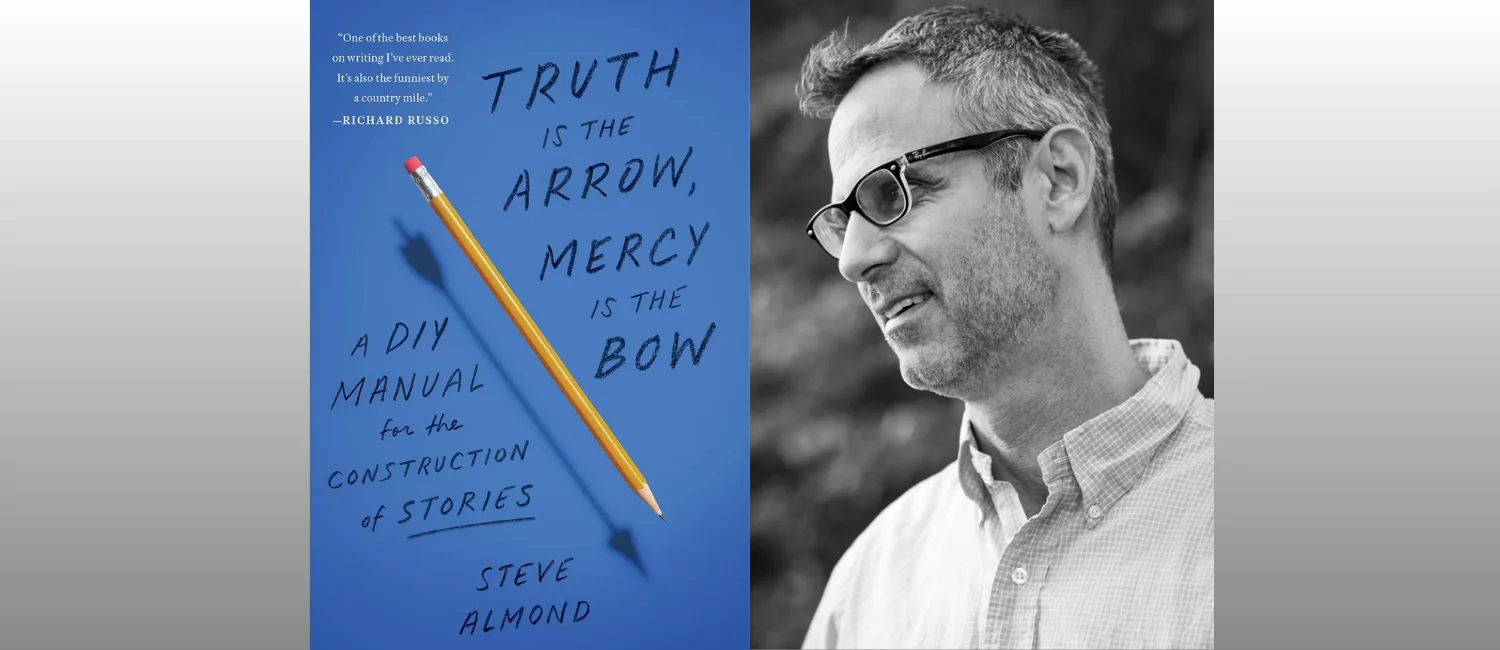
The (Almond) Joy of Writing: How to Jump Start Your Creativity begins November 5! In this energizing class, author Steve Almond helps writers reconnect with what first drew them to the page—curiosity, honesty, and joy. We asked Steve to share a little bit about what to expect from the first week's class topic, obsession.
I believe that all readers enter any story with two instinctual questions:
1. Who do I care about?
2. What do they care about?
The sooner these questions are answered, the more enthralled the reader will be. The more inflamed the protagonist’s cares are, the deeper that gratification will run. We want from our stories radical subjectivity. We want feelings that are unstoppable and crazed and shameless precisely because – as we go about the business of responsible living, being dutiful friends and lovers and employees and parents – we are depriving ourselves of these feelings almost constantly. In short, we want obsession: the utter domination of one’s thoughts and feelings by a persistent desire, hopefully to calamitous results. That’s how sick we are.
And this is why I am constantly imploring my students to heed their obsessions. The stuff that you obsess over is what you’re meant to write about. Whether you cast those obsessions in fictional disguise or not is up to you. But our obsessions are not just there to fill our minds with junk. They are the deepest expression of who we are.
Take it from me. I spent the first decade of my writing life ignoring my obsessions. It felt too easy and to “self-involved” to write about them. It wasn’t “imaginative” enough. The result was a lot of very boring short stories. Only when I began to write about my actual obsessions—the romantic idiocy of my 20s and 30s, for instance, my life-long obsession with candy, my love-hate relationship with football—did my stories start to come alive.
The stories came much more easily, because I had already spent years, decades even, thinking about these subjects. I had given my full attention to them. And that’s what the reader wants: a narrator who cannot stop thinking and feeling about the story she is telling. As the writer Nick Hornby puts it, in the book Fever Pitch, “It’s all in there waiting to get out.”
Having said all this, I need to emphasize that a big part of writing – the most exciting part, actually – resides in the mystery of the act, the unexpected directions your artistic unconscious will take you. Your obsessions should lead you in directions you weren’t expecting and reveal things about you don’t want revealed.
The short stories I wrote about my romantic life forced me to reckon with my insecurities and anxieties, with the elemental fear that I was unlovable. Likewise, my non-fiction book about candy wound up being about a lot more than my atrocious sweet tooth. It was really about the sorrow of my childhood, and the depressions I struggled through as an adult. It took me a number of drafts to figure out that I had been using candy as a path from despair.
I truly believe that anyone who tells honest stories about those things which matter to them most deeply – whether by means of fiction or non-fiction – who does so in a genuine effort to reveal world inside and around them, will find an audience. At the very least they will feel unburdened of the glorious secret of who they really are.
Keep reading in this series
Writing Is Supposed to Be Fun (Remember)?