
Writing Life Advice
Why Romance Tropes Aren’t Enough: Tips From the Romance Novel Generator
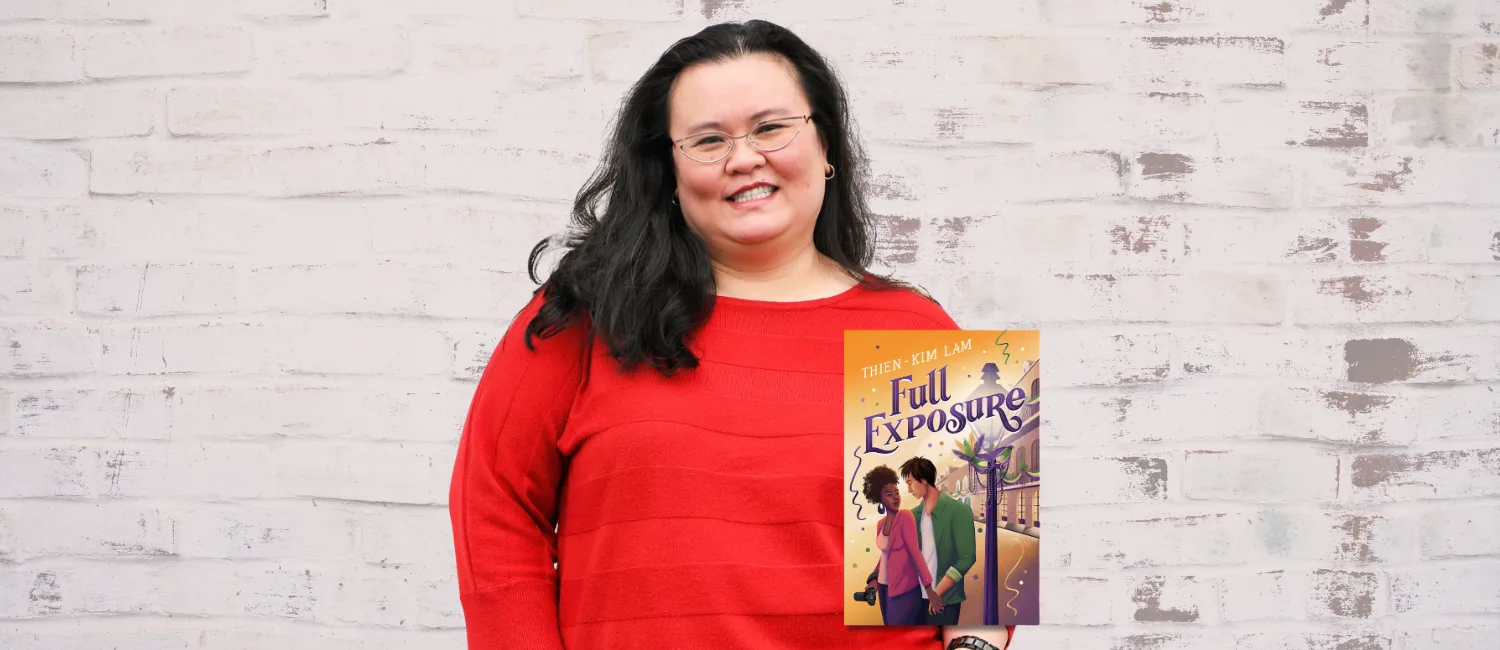
The Romance Novel Generator is a seven-month program designed to help a small cohort of writers complete the first drafts of their romance novels. Learn more about the program here.
One common challenge I see my students face in the Romance Novel Generator is allowing their chosen tropes to do the heavy lifting in their novels.
Tropes are character and situational shortcuts that allow readers to identify the types of romances they enjoy. Romance writers typically start as readers first so it’s natural that we gravitate towards tropes when we begin writing our novels. While rivals-to-lovers or only-one-bed tropes are a good start, we want to dive deeper into the characters in order to write emotionally satisfying romances.
Romance readers already know that your characters will find their Happily Ever After (HEA) or Happy For Now (HFN). It’s how your characters go from meet-cute to find their happy ending that will keep readers turning the page.
Here are three questions to ask in order to write a page-turning romance novel.
Question 1: How Does Your Trope Inform the Emotional Stakes?
Your trope is the foundation of your romance’s central conflict. You’ll still need walls, doors, windows, and a roof.
Enemies-to-lovers is one of my favorite tropes. It’s tricky to balance the reason they hate each other yet can find common ground later. If your love interests are competing for the same job like in Mia Sosa’s The Worst Best Man, how does losing the job affect each character on an emotional level?
Take the opposites-attract romantasy When the Tides Held the Moon by Venessa Vida Kelley, Benny finds himself falling in love with imprisoned merman Rio. Benny is torn between saving his newly found family’s jobs and freeing Rio.
Go deeper and ask, What does the character have to lose if they don’t get what they want? Or flip it: What are the consequences if they do get what they want? If the solution isn’t clear cut, you’re giving your main character opportunities to grow.
Question 2: What’s Keeping Them Apart?
Whether you’re writing about a princess in a South Asian inspired-romantasy, fated mates, or two best friends, you should have a convincing reason why your love interests can not be happy together.
If the best friends can have a quick conversation to declare their love for each other, that’s wonderful! And boring. Where are the awkward conversations or conflicts that will make them work harder to admit their feelings for the other? Give your readers reasons to root for the best friends to find their HEA.
What if the princess falls for her lady-in-waiting but isn’t able to follow her heart because she’s meant to marry a prince to save her kingdom from war? How’s that for internal and external conflict?
Question 3: Are Your Character’s Conflicts Challenging Enough?
I’m not talking about climbing Mt. Fuji or being stranded on Mars—though those are possibilities depending on your romance subgenre.
A common challenge I see in emerging romance writers is to create their ideal character on page one. They’re our fictional children so it’s hard to see them be hurt. Remember, you can tend to their wounds at the end because romances have HEAs!
Allow your characters to make incorrect or bad choices so they can learn from their mistakes. If you’re not sure what choices are “bad,” refer to your main character’s emotional wound or their emotional stakes (from Question 1).
Suppose the princess follows through with her arranged marriage but secretly maintains her relationship with her lover. What happens when her prince accuses her of infidelity? Does she lie, therefore keeping her kingdom safe but breaking her lover’s heart? As the author, you get to decide!
While it can be tough to put our main characters through such heartbreak, it can be fun. Tap into your evil side! Remember, creating imperfect characters with emotional depth allows your readers to become invested in your characters’ transformation and, in turn, their HEA.
The 2026-27 Romance Novel Generator enrollment is open, register here.
Keep reading in this series
What’s My Essay About? Tips from the Essay Incubator
The Art of Curiosity: Tips from the Mystery/Thriller Generator